


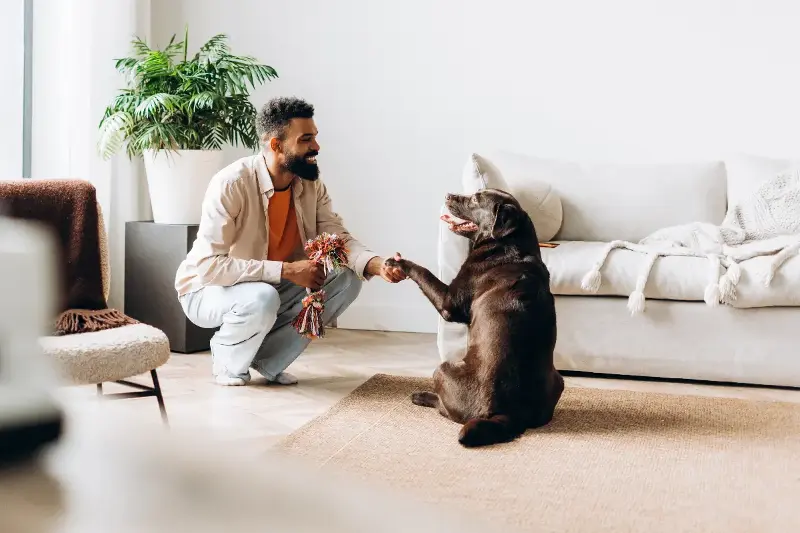
For many pets, home is not simply a place with food, toys, and a comfortable bed. It is where they feel protected enough to relax, play, communicate, and express affection in their own unique language. Dogs, cats, rabbits, birds, and other companion animals all develop daily routines that reveal profound trust. Some signals are energetic, while others are remarkably quiet. These meaningful behaviors demonstrate that your pet considers your home its safe and forever sanctuary.
Welcoming You with Unique Daily Rituals
Reunion rituals reinforce strong bonds within a pet's family group. The classic enthusiastic greeting—tail wags, joyful spins, or carrying a favorite toy—is famous for a reason, but quieter welcomes are equally meaningful.
- Attentive trailing: A reserved dog gently following you from room to room after you arrive home.
- Vocal updates: A cat emerging from its cozy spot to chirp, rub against your legs, or lead you toward its food bowl.
- Interactive greetings: Birds calling out in unique pitches or small mammals approaching the front of their enclosure when you enter.
A consistent, repeated greeting pattern shows that your presence is an essential part of your pet's emotional well-being.
Choosing to Rest in Your Presence
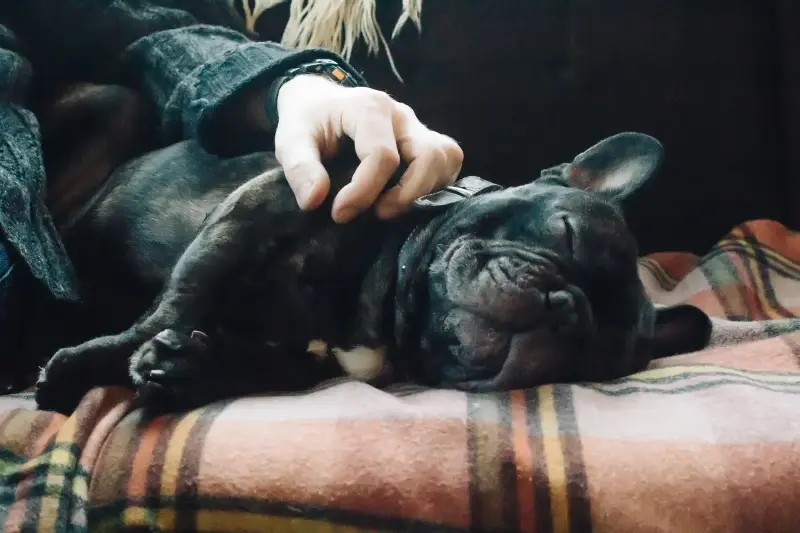
Sleep is a deeply vulnerable state, making animals naturally selective about where and near whom they rest. A dog stretching out across your feet, a cat curling up on your pillow, or a rabbit flopping nearby is showing that it feels completely secure around you.
- The gentle slow blink: A relaxed cat closing its eyes slowly while looking at you is sharing a "cat kiss," signaling deep comfort rather than high alertness.
- Turning their back: A dog sleeping while facing away from you is not ignoring you—it is demonstrating complete faith that no threat exists behind it.
- Leaning for contact: Pressing their back against you while resting combines physical warmth with a shared sense of safety.
Sharing Their Favorite Things and Playtime
While pets do not understand gift-giving in human terms, their desire to share valued items reflects social inclusion. Bringing you a slobbery ball or dropping a favorite feather toy in your lap is an invitation into their inner world.
Engaging in play requires absolute confidence. An anxious animal will rarely act silly, curious, or spontaneous. When your pet initiates a game, nudges your hand, or drops a toy at your feet, it is declaring that home feels safe enough for pure joy.
Seeking Your Comfort During Uncertain Times
One of the clearest indicators of a deep emotional bond appears when a pet feels uncertain. During loud thunderstorms, unfamiliar household changes, or novel situations, pets naturally turn to the people they trust most.
- Social referencing: Dogs often look to their owners for emotional cues; if you remain calm, your pet feels more secure exploring new surroundings.
- Quiet anchors: A cat settling under a blanket beside you or a rabbit staying near your hand provides reassurance during stressful moments.
- Reassuring voices: Simply hearing your gentle, steady voice helps settle a nervous pet's heart.

Expressing Their True, Authentic Personality
When a pet feels genuinely at home, its true personality blossoms. A once-cautious rescue dog may suddenly start doing joyful living room zoomies, while a quiet bird may begin singing, mimicking sounds, or dancing.
Trust is not always expressed through intense cuddles. Sitting across the room while keeping you in view, offering a soft head bump, or resting a gentle paw on your arm are all authentic expressions of affection. Consistency is the ultimate sign of trust—when your pet settles into daily routines with you, it is building a happy life around the comfort, patience, and love it receives in your home.