


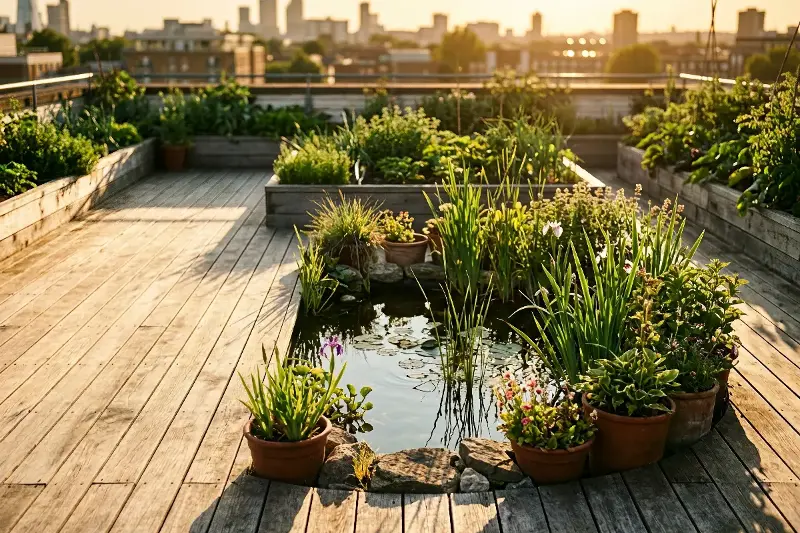
City life is often associated with concrete, traffic, and tightly packed buildings, yet a quieter green revolution is taking root between apartment blocks, on rooftops, and in former parking lots. Urban farming and farm-to-table living are helping residents reconnect with fresh food, changing seasons, and one another. A basket of tomatoes grown a few streets away may seem simple, but it can completely transform how people shop, cook, and appreciate the natural world.
Farm-to-table green living does not require moving to the countryside or owning a vast garden. It can begin with herbs on a sunny windowsill, a weekly visit to a farmers’ market, or a shared plot in a community garden. The core goal is to shorten the distance between where food is grown and where it is eaten, making daily life more sustainable, local, and deeply rewarding.
The City Garden Revival
Urban farming appears in many creative forms across modern landscapes. Community gardens turn unused land into vibrant, productive spaces where neighbors grow beans, lettuce, flowers, and fruit together. Rooftop farms utilize building tops that would otherwise sit empty, while vertical gardens make smart use of walls, balconies, and compact courtyards. Some city farms even operate inside warehouses, using hydroponic systems that grow plants in nutrient-rich water.
- Environmental Boost: Urban gardens create vital habitats for pollinators, improve local air quality, and help cool neighborhoods during hot weather.
- Rainwater Management: Green surfaces absorb heat and capture rainwater, reducing the volume that rushes into city drains during heavy storms.
- Social Connection: Community plots bring together people of different ages and backgrounds around a shared goal, helping children and adults alike understand where their food originates.
Building a stronger relationship with the living systems that support everyday meals turns unused concrete into a thriving neighborhood asset.
Why Local Food Tastes Different
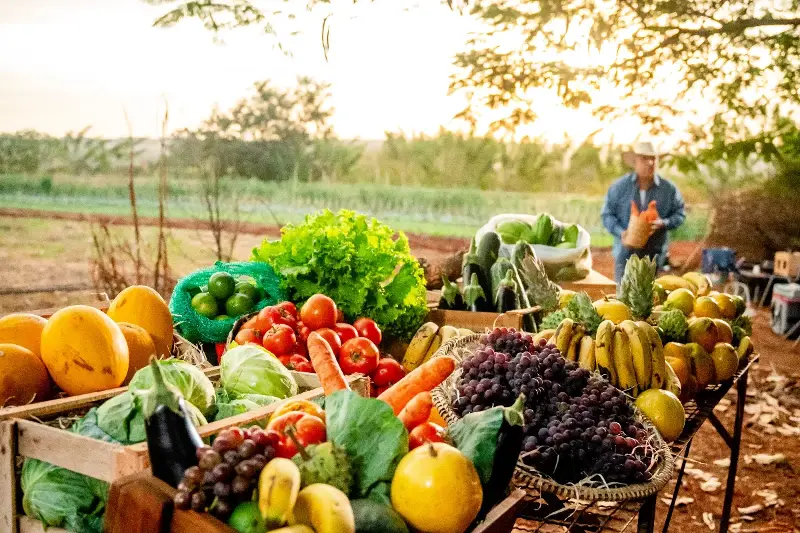
Food grown nearby is harvested closer to peak ripeness, making a noticeable difference in flavor. Supermarket produce often travels long distances and is picked early to withstand transport. In contrast, local growers allow crops to mature naturally on the plant, bringing out the full sweetness of strawberries, peas, leafy greens, and fresh herbs.
Embracing seasonality is another joy of local eating:
- Spring: Tender greens, crisp radishes, and fresh asparagus.
- Summer: Sun-ripened tomatoes, cucumbers, berries, and fragrant basil.
- Autumn: Hearty squash, crisp apples, mushrooms, and root vegetables.
Buying directly from a farm stall or community market also gives shoppers a chance to ask questions. You can learn how produce was grown, discover which varieties are peaking, and gain tips on preparing unique ingredients like purple kale or fresh fava beans.
Small Spaces, Real Harvests
A lack of garden space should never stop urban residents from growing their own food. Even a small balcony can support containers of cherry tomatoes, peppers, salad leaves, and edible flowers. Compact crops such as radishes and microgreens are especially beginner-friendly because they grow quickly in tight spaces.
- Sunlight Needs: Fruiting plants like tomatoes require six to eight hours of direct sunlight daily, while leafy greens, parsley, and mint thrive in partial shade.
- Kitchen Windowsills: Basil, coriander, and thyme offer instant fresh flavor right from the counter, reducing reliance on plastic-packaged herbs.
- Resource Recycling: Vegetable peelings, coffee grounds, and eggshells can be composted into rich, natural nourishment for potted plants.
The Wider Environmental Benefit
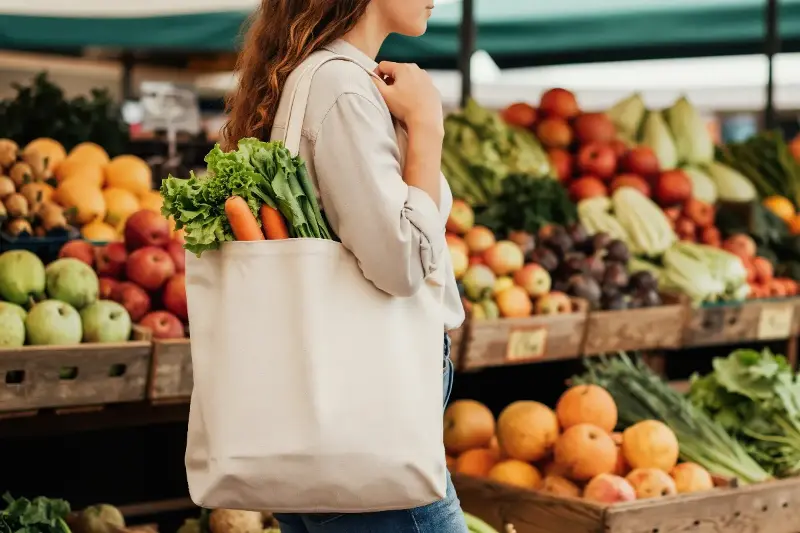
Farm-to-table living actively supports a lower-waste lifestyle. Choosing loose produce, carrying reusable bags, and planning meals around what is currently available reduces packaging waste and keeps food from being forgotten in the refrigerator. Embracing imperfectly shaped, homegrown produce is equally rewarding, as a crooked carrot tastes just as delicious as a straight one.
Supporting nearby farms reduces long supply chains and energy-heavy storage. When communities choose growers who protect soil health and conserve water, they help build cleaner, more resilient food systems that benefit the entire region.
A More Connected Way to Live
The true magic of farm-to-table green living lies in its ability to make ordinary routines feel meaningful. Preparing dinner with basil picked from a balcony, selecting carrots at a weekend market, or volunteering at a neighborhood garden turns food into a joyful connection rather than a simple convenience.
You do not need to overhaul your lifestyle overnight. Start with one seasonal ingredient or one pot of herbs. Over time, these small choices foster a greener home, a healthier plate, and a closer relationship with nature right in the heart of the city.